Cameroon’s fish farming sector is showing strong growth, with aquaculture production reaching 20,000 tonnes.
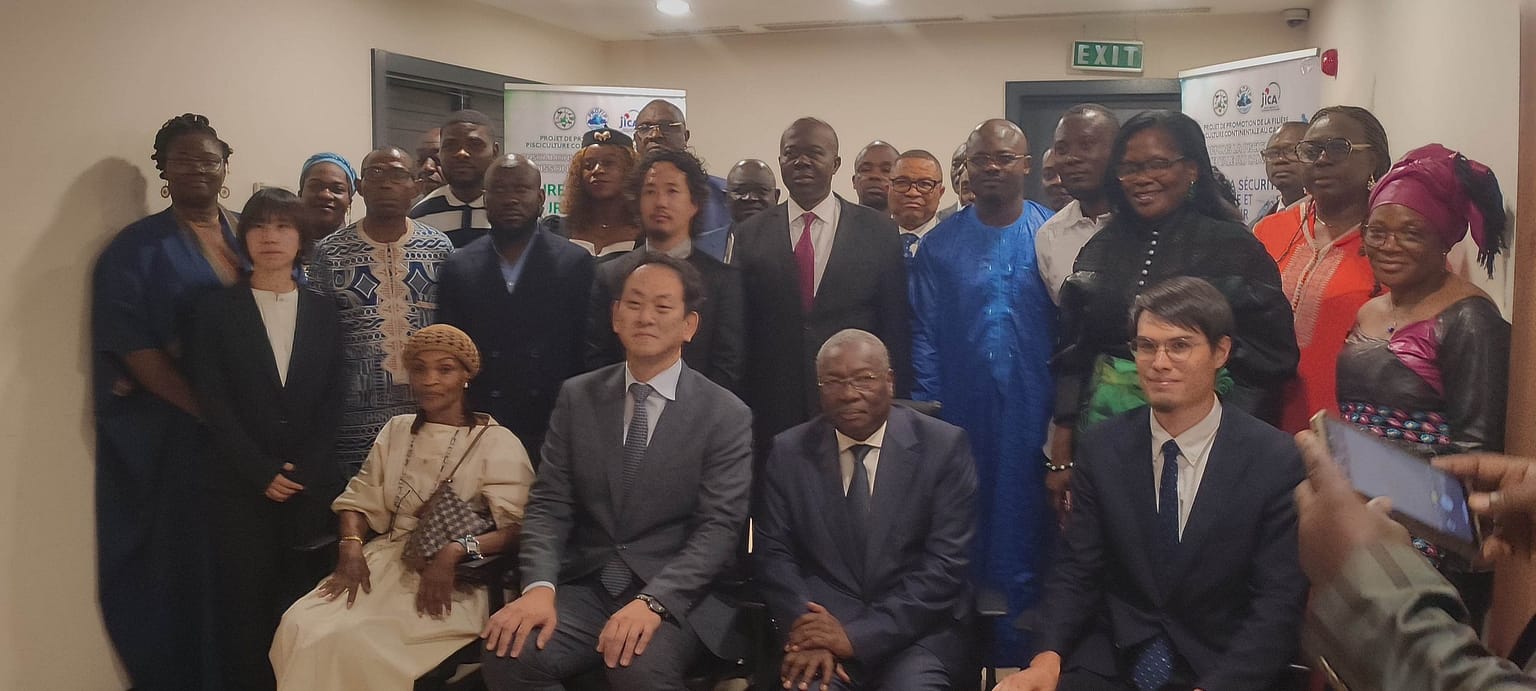
The figure was announced during a meeting of the steering committee of the Project for the Promotion of Inland Fish Farming in Cameroon (PROFIB) in Yaoundé.
According to officials, fish production has increased from about 12,000 tonnes to nearly 20,000 tonnes since the project began.
The development is important as Cameroon continues to look for ways to produce more fish locally and reduce its dependence on imports.
Government wants to produce more fish
Cameroonians consume a lot of fish, but local production has not always been enough to meet the country's needs.
As a result, Cameroon has had to import large quantities of fish from other countries.
The government is now putting more attention on fish farming as a way to increase local production.
Through PROFIB, fish farmers are receiving training and support to improve their farming methods and increase the number of fish they produce.
Farmers getting more support
The project is focusing mainly on inland fish farming, with particular attention to species such as catfish.
Farmers are being trained on how to manage fish ponds, feed their fish properly and improve production.
The project is also looking at other parts of the business, including how fish are processed and sold.
The idea is to make fish farming more profitable for farmers while ensuring that consumers have access to locally produced fish.
Cameroon targets 50,000 tonnes
The government has bigger plans for the sector.
Cameroon wants aquaculture production to reach 50,000 tonnes by 2030.
Reaching that target will require more investment and support for farmers.
Farmers need access to good-quality fish feed, healthy fingerlings, modern equipment and proper training.
Better roads and markets will also be important so that farmers can easily get their fish to consumers.
Could reduce fish imports
Increasing local fish production could help Cameroon reduce the amount of money it spends importing fish.
It could also create more jobs, especially for young people and communities involved in farming, fish processing, transportation and sales.
For consumers, higher local production could mean more fresh fish available in markets across the country.
A growing opportunity for farmers
The rise in aquaculture production shows that fish farming is becoming an important part of Cameroon’s agricultural sector.
With the right support, more farmers could enter the business and increase production.
The increase to 20,000 tonnes is a step forward, but Cameroon still has a long way to go before reaching its 50,000-tonne target.
For now, the government and fish farmers will be looking to maintain the growth and make fish farming a stronger source of food, jobs and income in the country.