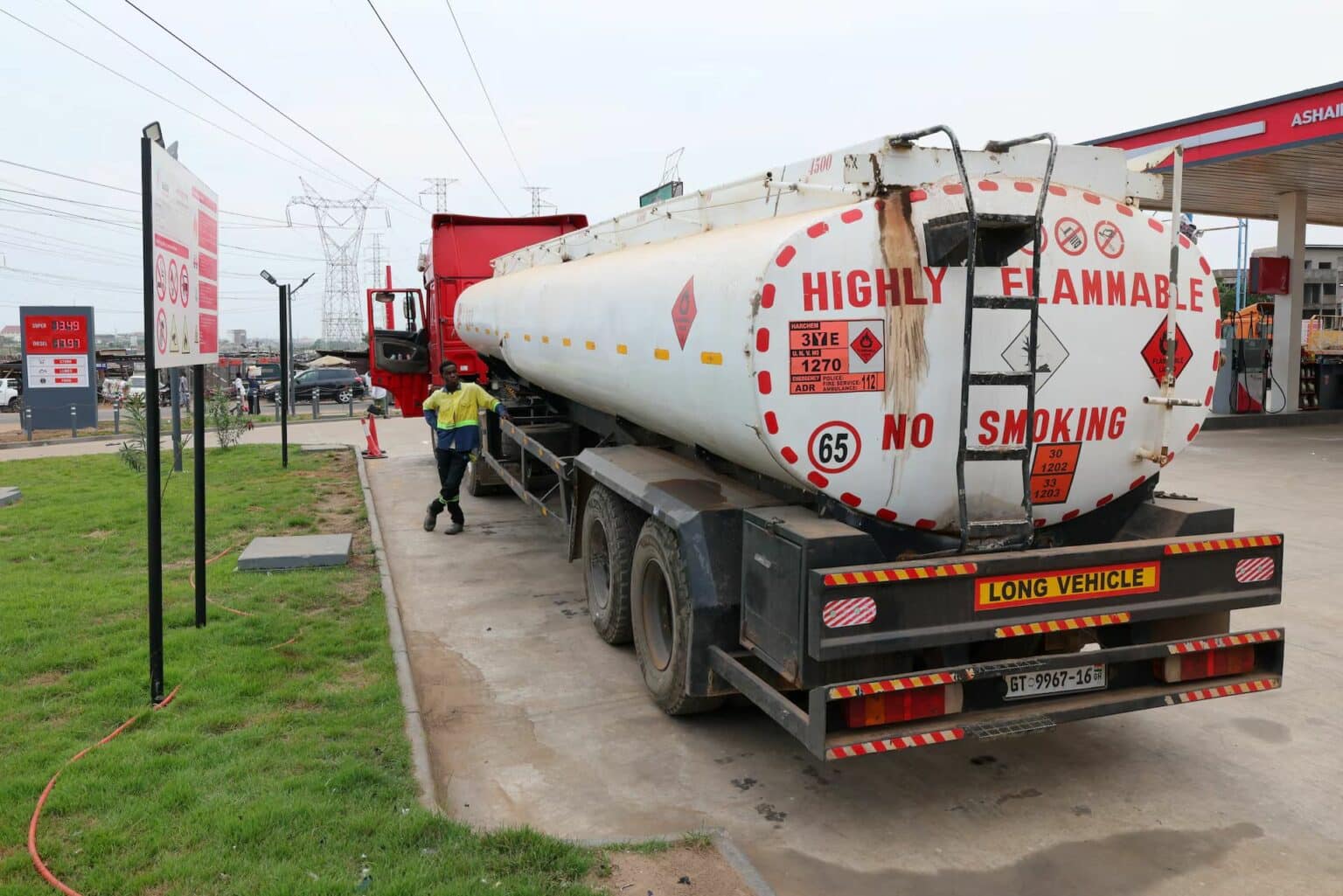
Ghana Cuts Fuel Exports to Burkina Faso and Mali Amid Rising Domestic Demand
ACCRA, Ghana — Ghana has reduced its exports of diesel and gasoline to neighbouring Burkina Faso and Mali as rising domestic demand and tighter global energy supplies put increasing pressure on fuel availability.
The decision, implemented since August by Ghana’s state-owned fuel distributor BOST Energies, comes as the West African country seeks to prioritize its domestic market amid higher international fuel costs.
BOST Managing Director Afetsi Awoonor disclosed the development on September 16, saying the company had been forced to scale back supplies to the two landlocked Sahelian countries because of growing demand in Ghana.
The development could add further pressure to fuel supply chains in Burkina Faso and Mali, both of which depend heavily on imports from coastal West African countries.
Burkina Faso receives half of requested fuel
The scale of the reduction is particularly evident in Burkina Faso.
According to Awoonor, Burkina Faso requested 80,000 metric tonnes of fuel from BOST for July and August. However, the Ghanaian distributor was able to supply only about 40,000 metric tonnes, representing half of the requested volume. Reuters
Mali also experienced a significant shortfall.
BOST exported approximately 10,000 tonnes of fuel to Mali during the period, while the country had requested an additional 40,000 tonnes for August and September, according to the BOST chief. Reuters
The figures underline the growing pressure on fuel supply across a region where landlocked countries depend on transport corridors leading to coastal states for much of their petroleum needs.
Ghana prioritises its domestic market
BOST's decision reflects increasing pressure inside Ghana itself.
Awoonor said diesel consumption in Ghana has been rising as economic activity expands. BOST currently accounts for about 30 percent of Ghana's fuel market, while diesel represents roughly two-thirds of the company's supplies. Reuters
“Supply is available, but it's at a high cost,” Awoonor said, explaining that increased demand had placed additional strain on supplies and made it more difficult to maintain stable domestic fuel prices. Reuters
Ghana's fuel prices had already risen earlier in 2026 amid concerns about international supply disruptions. Prices subsequently eased somewhat, helped by a stronger Ghanaian cedi and government measures, but global energy-market pressures remain.
Global energy crisis adds to pressure
The Ghanaian decision comes against a backdrop of severe disruption in international oil and gas markets.
The International Energy Agency warned in September that global oil supply in 2026 could fall significantly as conflicts and disruptions in the Middle East affect production and shipping routes. The agency said attacks on oil infrastructure and tankers had contributed to tighter supplies and sharply higher refined-fuel prices. Reuters
For countries such as Ghana that depend substantially on imported refined petroleum products, international price and supply shocks can quickly feed into domestic markets.
The impact can be even more significant for landlocked countries such as Burkina Faso and Mali, which must transport imported fuel over long distances from coastal ports.
Burkina Faso and Mali face additional supply challenges
The reduction in Ghanaian supplies comes at a sensitive time for the two Sahelian countries.
Burkina Faso, Mali and Niger rely heavily on fuel imports from coastal neighbours including Ghana and Côte d'Ivoire. Their geographical position means that disruptions along regional transport routes can have consequences for fuel availability and prices. Reuters
Mali, in particular, has faced fuel-supply difficulties in recent years as insecurity has affected important transport routes and fuel deliveries.
The country's dependence on external supply routes makes diversification of fuel sources and storage capacity an important issue for its economy.
Ghana plans to expand fuel infrastructure
While BOST is reducing some exports in the short term, the company says it is also working on infrastructure aimed at strengthening Ghana's longer-term energy security.
Awoonor said BOST plans to establish a liquefied petroleum gas (LPG) terminal in Tema by the fourth quarter of 2027 and begin importing cooking gas.
The company also intends to establish LPG storage facilities in several locations across Ghana, beginning with Kumasi, with a broader plan involving six locations. Reuters
The planned infrastructure is expected to strengthen domestic distribution and storage capacity.
What the fuel cuts mean for West Africa
Ghana's decision illustrates how closely connected fuel markets are across West Africa.
For years, Ghana has supplied petroleum products to several neighbouring countries. Ghana's National Petroleum Authority reported in 2024 that the country had re-exported and transited more than 385 million litres of petroleum products to neighbouring countries in 2023, highlighting Ghana's role in the regional fuel trade. CitiNewsroom.com
A reduction in Ghanaian exports therefore has implications beyond Ghana's borders.
For Burkina Faso and Mali, reduced access to Ghanaian supplies could increase pressure on alternative supply routes and potentially raise transportation and fuel costs if global supply remains tight.
For Ghana, however, the immediate priority is maintaining adequate domestic supplies while managing the cost pressures created by the international energy market.
A delicate balance for Ghana
The latest development leaves Ghana facing a difficult balance between its role as a regional fuel supplier and the need to protect its own domestic market.
BOST's reduced deliveries to Burkina Faso and Mali do not amount to a complete halt in fuel exports. Rather, the company has reduced volumes as it responds to higher domestic demand and tighter international supply.
The situation will depend heavily on global oil-market conditions, Ghanaian fuel consumption and the ability of suppliers to maintain adequate stocks.
For Burkina Faso and Mali, the development is another reminder of the vulnerability of landlocked economies to disruptions in regional fuel supply chains.
As West Africa navigates higher energy costs and changing trade routes, the availability and affordability of petroleum products are likely to remain closely watched by governments, businesses and consumers across the region.
Suggested headline for social media: Ghana Cuts Fuel Exports to Burkina Faso and Mali as Domestic Demand Surges
Suggested meta description: Ghana has cut fuel exports to Burkina Faso and Mali as rising domestic demand and global supply disruptions put pressure on fuel availability and prices.
#Legitcameroon#