Sudan’s currency crisis is deepening, with the Sudanese pound losing significant value and making everyday goods increasingly difficult for many civilians to afford.
According to Reuters, the pound was trading at around 7,500 Sudanese pounds to the US dollar on the black market on September 22, compared with about 4,100 pounds in May and roughly 600 before the war began.
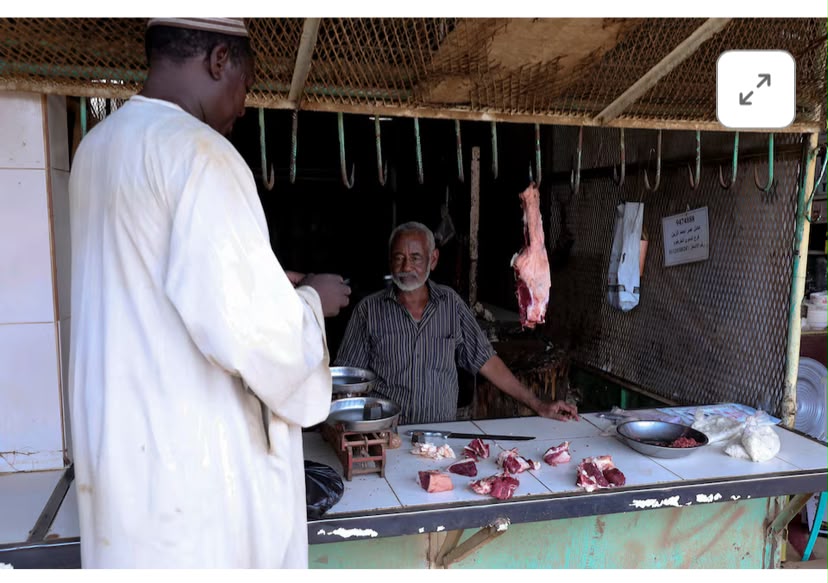
The sharp depreciation has contributed to rising prices for essential commodities. In Omdurman, residents and traders reported significant increases in the cost of food and other basic products, while some shops have experienced falling sales and empty shelves. Reuters reported that the price of a litre of cooking oil had risen from 17,000 to 23,000 pounds within a week in one market.
The currency crisis is closely linked to Sudan’s ongoing conflict between the Sudanese Armed Forces and the Rapid Support Forces (RSF), which has divided the country economically as well as territorially. Important sources of export revenue, including gold, livestock, oilseeds and gum arabic, are produced in areas outside the control of the army-aligned authorities.
The economic pressure is also affecting household incomes. Reuters reported that a private-school owner in Omdurman earning about 500,000 pounds per month now has a purchasing power equivalent to roughly $70, compared with about $800 before the war. He has taken additional work as a driver to supplement his income.
The situation comes as millions of displaced Sudanese attempt to return to areas retaken by the army. Increased demand for food and other necessities is adding further pressure to markets already affected by disrupted production, trade and access to foreign currency.
Sudan’s economic difficulties therefore remain closely tied to the broader conflict, with the weakening pound, rising prices and reduced purchasing power adding another layer of hardship for civilians across the country.