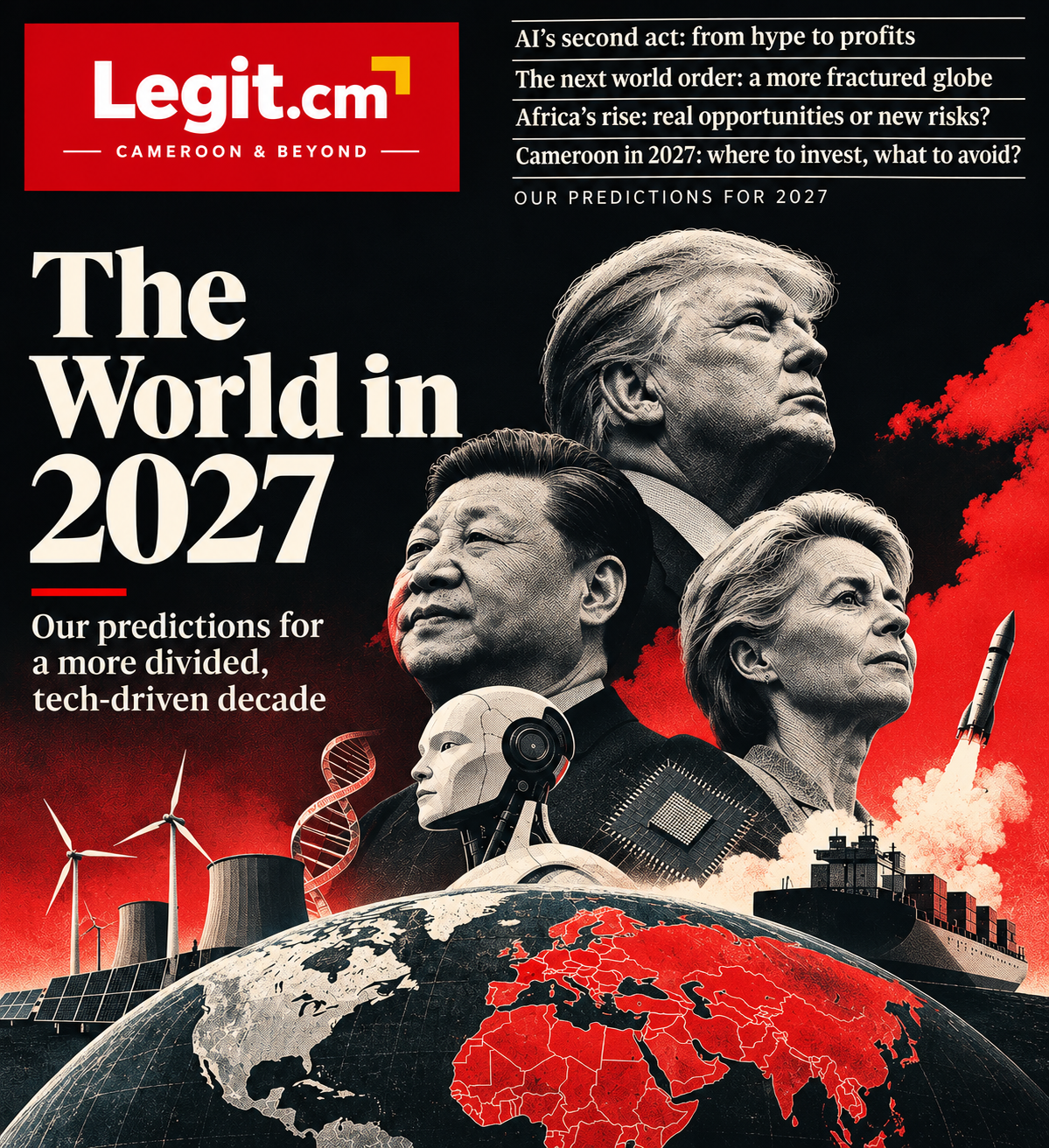
As artificial intelligence reshapes industries, geopolitical tensions disrupt global markets, and Africa's digital economy continues to expand, investors face a defining question: Where should capital go in 2027—and which investments could become expensive mistakes?
The world is changing, but opportunity is not disappearing
The global investment landscape is entering a period of significant transformation.
Artificial intelligence is changing how companies operate. Energy demand is increasing. Financial technology is challenging established banking models. Meanwhile, geopolitical conflicts, inflation, trade restrictions, and economic uncertainty are forcing governments and businesses to reconsider their priorities.
The Economist's The World Ahead 2027 cover captures many of these concerns through images of technology, political power, military conflict, financial markets, and environmental pressures.
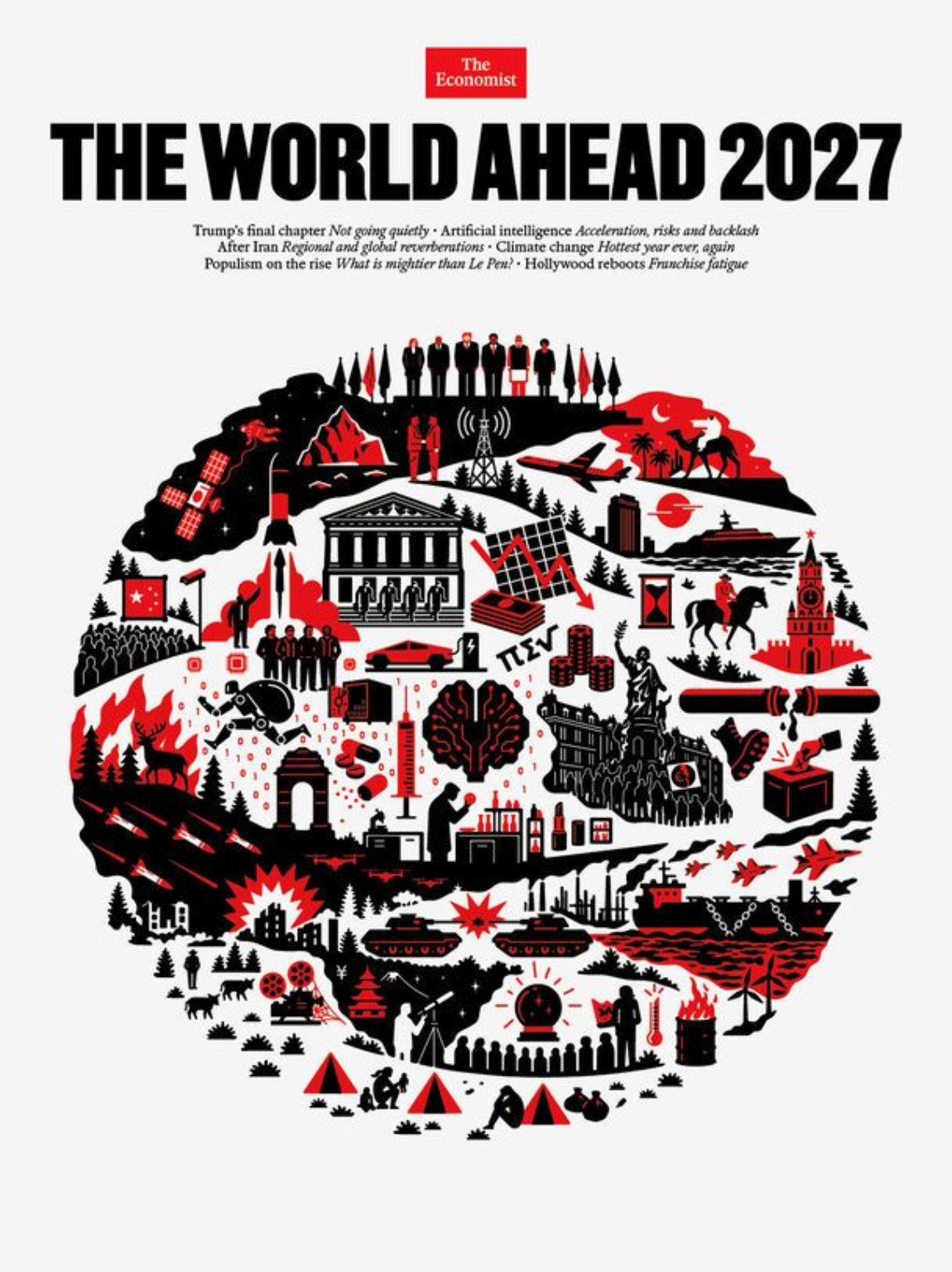
But investors should not interpret an editorial cover as a guaranteed prediction.
The more useful approach is to examine the economic forces behind those themes and identify the industries, countries, and businesses that could benefit from them.
According to the International Monetary Fund's October 2026 outlook, global economic growth is projected to reach 3.4% in 2027, compared with 3.1% in 2026. However, the IMF warns that the benefits of economic growth are increasingly uneven, with countries benefiting from AI investment performing differently from energy-importing and lower-income economies.
The NewsMarket
That distinction is especially important for Africa.
While advanced economies are investing billions in artificial intelligence, semiconductor manufacturing, and data centres, many African economies still require more fundamental infrastructure: reliable electricity, efficient payment systems, agricultural processing, logistics networks, and affordable digital services.
For investors, these differences create opportunities at several levels.
A technology investor in the United States may focus on semiconductor companies. An investor in Nigeria might see opportunities in electricity distribution and business payment systems. In Cameroon, a technology entrepreneur could find stronger commercial opportunities in mobile-money interoperability, enterprise software, and digital financial infrastructure.
The best investment is not necessarily the most fashionable global trend. It is often the business that solves an important problem in a specific market at a sustainable cost.
Part I — The global investment outlook for 2027
The United States, China, Europe, India, Japan, and the global technology economy
1. Artificial intelligence: From experimentation to commercial infrastructure
Artificial intelligence remains one of the most significant investment themes heading into 2027.
However, the nature of the opportunity is changing.
During the first wave of generative AI adoption, investor attention concentrated on companies developing large language models, AI chatbots, and powerful computing hardware.
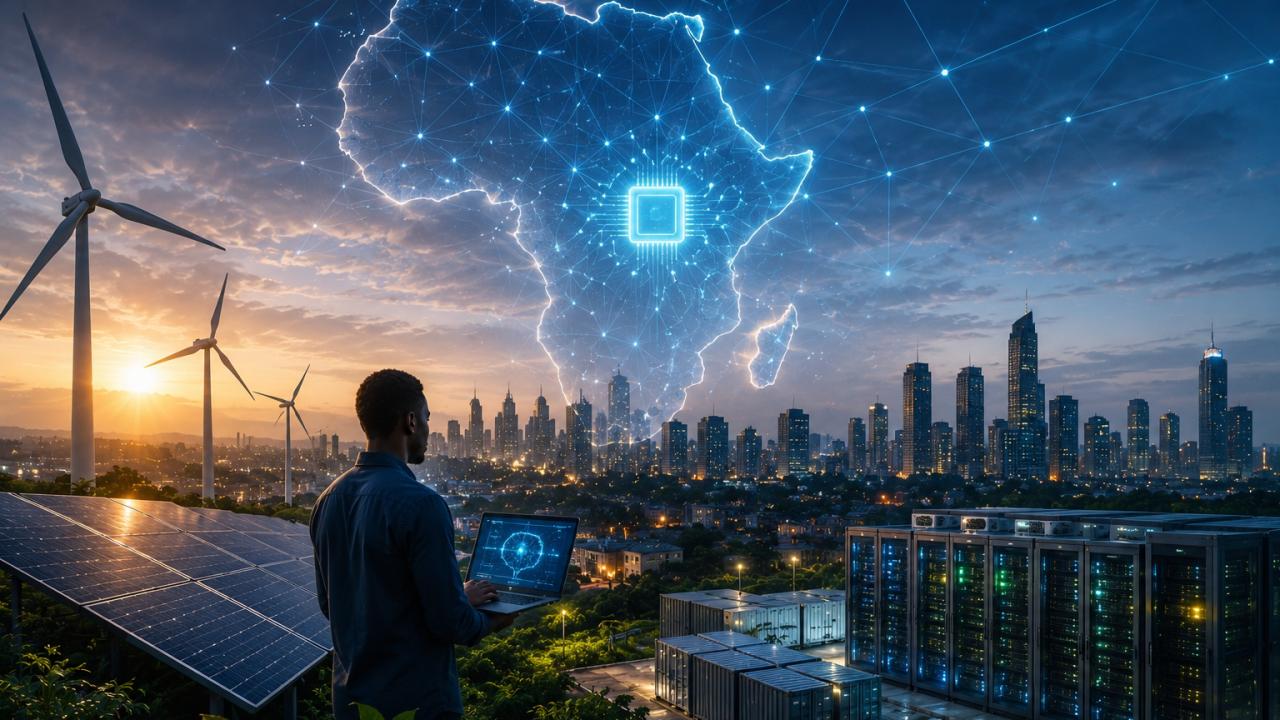
The next phase is likely to focus increasingly on the practical deployment of AI within existing industries.
Businesses want to automate accounting, customer support, financial reporting, cybersecurity, software development, and administrative processes.
This creates three distinct investment opportunities.
AI infrastructure: Semiconductor manufacturers, cloud infrastructure providers, data-centre operators, networking equipment manufacturers, and cooling-system suppliers.
Enterprise AI software: Companies developing automation platforms for healthcare, banking, logistics, manufacturing, and professional services.
AI implementation services: Businesses helping traditional organizations adopt, secure, integrate, and maintain AI-powered systems.
The United States remains a major centre for AI research, cloud infrastructure, and venture capital. Companies such as Microsoft, Nvidia, Alphabet, and Amazon are prominent participants in the ecosystem.
China is another major participant, particularly in industrial automation, hardware manufacturing, robotics, and AI deployment. Taiwan and South Korea remain strategically important to advanced semiconductor supply chains.
India presents opportunities in enterprise technology services, digital infrastructure, and software engineering.
Legit Cameroon assessment: AI infrastructure and enterprise automation deserve serious attention in 2027, but investors should distinguish businesses with sustainable revenue from companies benefiting mainly from market excitement.
The biggest risk is overvaluation. Even a company operating in a rapidly growing industry can produce poor investment returns when purchased at an excessive price.
2. Energy, solar power, and battery storage
Energy could become one of the most important investment themes of 2027.
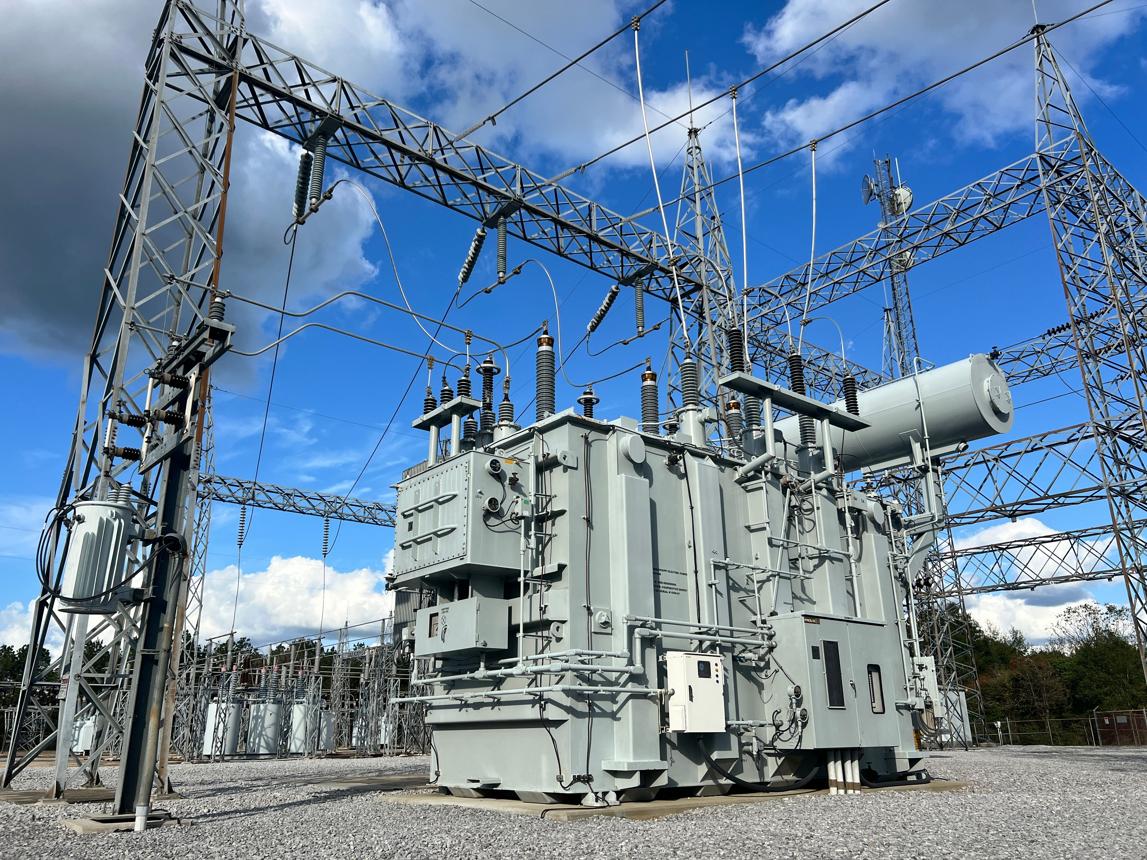
The International Energy Agency forecasts global electricity demand growth of 3.8% in 2027, compared with 3.6% in 2026. The increase is driven by industrial activity, electric vehicles, air conditioning, data centres, and wider electrification.
IEA
This is a major development because the AI economy depends on physical infrastructure.
Every data centre requires electricity. Semiconductor factories require dependable power. Electric vehicles require charging networks. Manufacturing industries require stable energy supplies.
Investors should therefore look beyond solar panels alone.
Potential opportunities include battery storage, electricity distribution equipment, power-grid modernization, industrial backup systems, electrical engineering, and maintenance services.
The IEA also expects renewable electricity generation to account for approximately 37% of global electricity production by 2027.
IEA
For developing countries, the opportunity is particularly practical.
An African business does not necessarily need to construct a large solar farm. It could generate revenue by supplying, installing, financing, and maintaining solar systems for homes, hospitals, schools, and small businesses.
Investment outlook: Positive over the long term, particularly where projects have dependable customers, viable financing, and clearly established maintenance arrangements.
3. Cybersecurity and digital identity
As governments, businesses, and individuals move more activity online, cybersecurity becomes essential infrastructure.
AI is increasing both defensive capabilities and the sophistication of certain cyber threats.
Financial institutions face payment fraud, account takeover, identity theft, and unauthorized transactions. Businesses face ransomware, phishing, data breaches, and service interruptions.
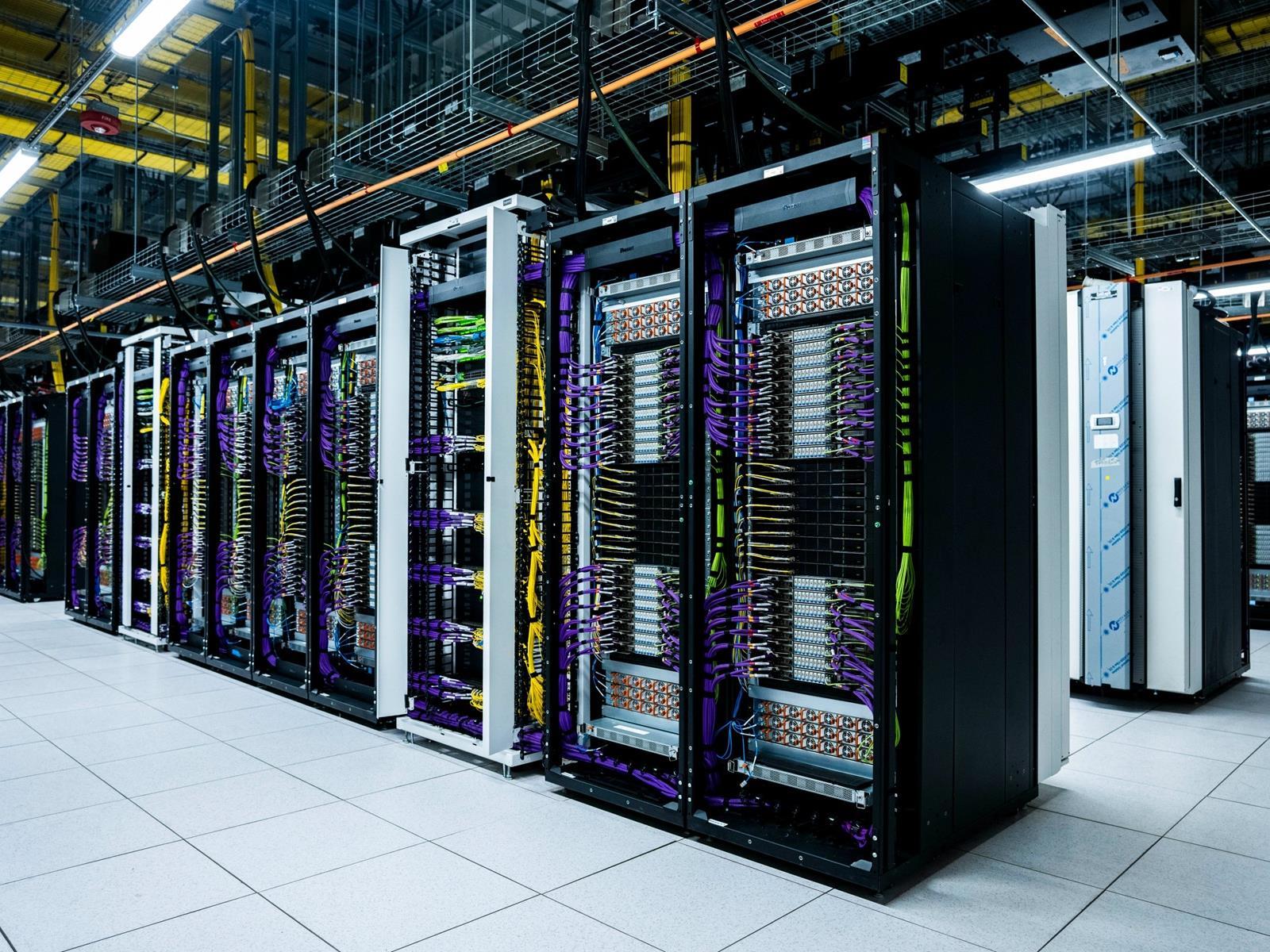
This creates opportunities in identity verification, fraud monitoring, endpoint security, managed security services, secure cloud infrastructure, and compliance software.
Unlike many speculative technology products, cybersecurity can benefit from recurring demand because organizations must continually protect their operations.
However, the industry remains competitive, and technology providers must demonstrate reliability, technical expertise, and customer trust.
4. Healthcare, biotechnology, and medical technology
Healthcare represents another major investment category.
AI-assisted diagnostics, medical imaging, pharmaceutical research, telemedicine, laboratory automation, and digital patient-management systems could continue attracting investment.
In developed economies, investors may focus on biotechnology companies, pharmaceutical manufacturers, and medical-device businesses.
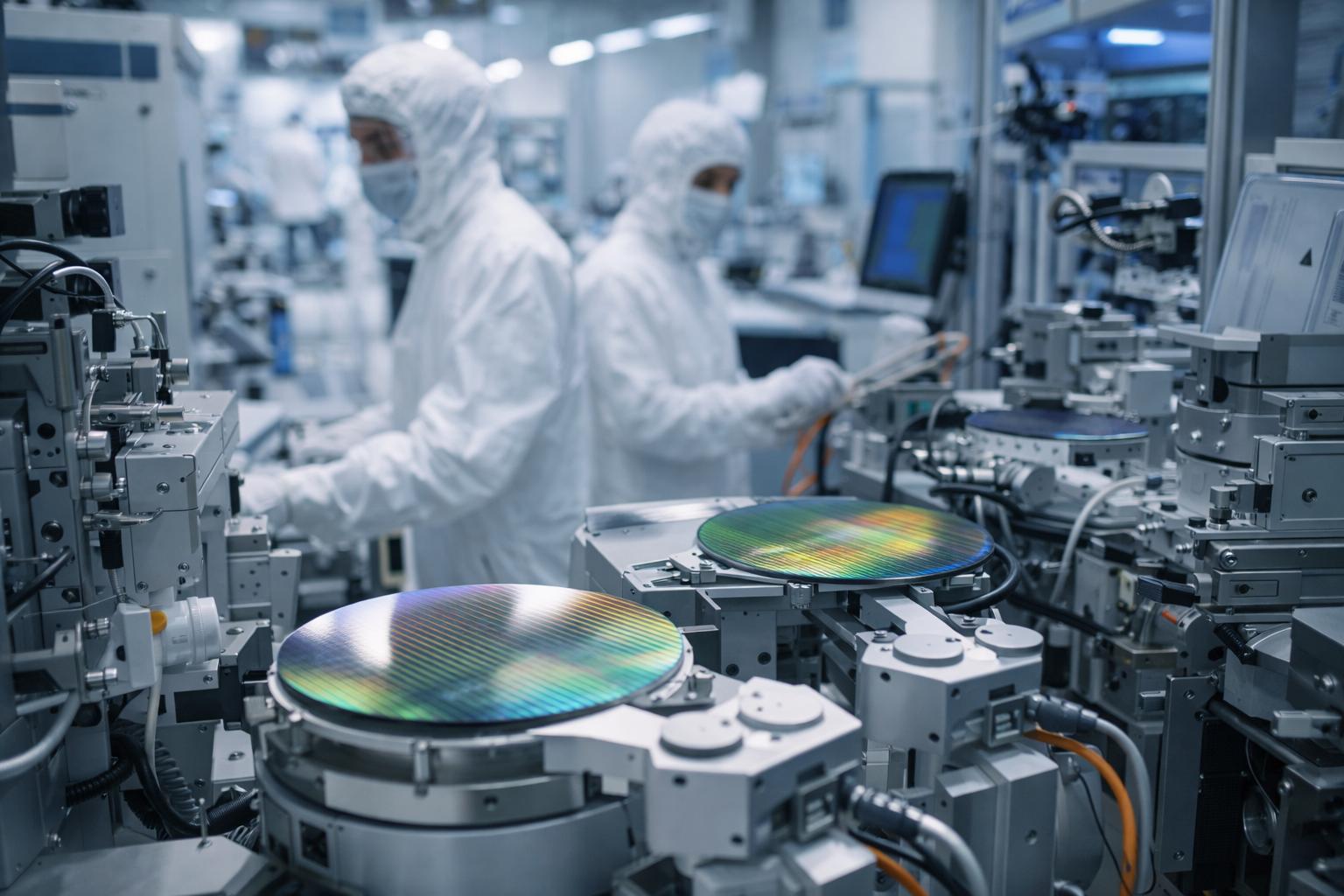
In developing economies, the strongest opportunities may be more fundamental: affordable diagnostics, medical distribution, pharmacy management, hospital software, and healthcare logistics.
The important distinction is between speculative scientific breakthroughs and healthcare businesses already delivering measurable services.
Biotechnology research can produce exceptional returns, but clinical failures and regulatory setbacks can also destroy substantial investor capital.
5. Agriculture, food security, and supply-chain resilience
Agriculture may not attract the same excitement as artificial intelligence, but it remains essential to the global economy.
Climate change, transportation disruptions, geopolitical conflict, and changing commodity prices can affect food availability and affordability.
Investment opportunities include irrigation systems, agricultural equipment, cold storage, food processing, fertilizer distribution, warehouse management, and logistics technology.
For Africa, processing locally produced agricultural goods could be especially valuable.
Rather than exporting raw agricultural products and importing higher-value finished goods, countries can capture more value through local manufacturing and processing.
This creates opportunities for entrepreneurs who can solve practical problems involving storage, packaging, quality control, transportation, and distribution.
6. Gold, bonds, and defensive investment strategies
Not every investor should pursue aggressive growth.
Geopolitical uncertainty and financial-market volatility can make defensive assets important.
Gold may provide diversification during periods of financial stress, although its price can fall and it produces no regular income.
High-quality government bonds and short-duration fixed-income investments may also serve investors seeking greater predictability.
However, investors must consider currency exposure, inflation, interest rates, liquidity, and sovereign credit risk.
The lesson for 2027 is diversification: A portfolio concentrated entirely in AI stocks, cryptocurrencies, or a single commodity may be vulnerable to unexpected market corrections.
Part II — Africa: A continent of different investment opportunities
Africa should not be treated as one investment market.
Its economies differ substantially in currency systems, regulation, industrial development, infrastructure, political conditions, and access to capital.
Yet several structural trends are visible across the continent.
Mobile-money adoption continues to expand. Electricity infrastructure remains a major investment priority. Agriculture offers opportunities for value addition. Urbanization is creating demand for logistics, housing, healthcare, and digital services.
According to the GSMA's State of the Industry Report on Mobile Money 2026, Africa recorded approximately $1.4 trillion in mobile-money transaction value in 2025, an increase of 27% over the previous year.
That figure illustrates the scale of digital financial activity, although transaction value should not be confused with revenue or profit.
Africa's mobile-money economy
Transaction value in 2025, USD billions
$0$250B$500B$750B$1TEast AfricaWest AfricaCentral AfricaNorth AfricaSouthern Africa
GSMA Mobile Money 2026. These are geographic regions, not the exact memberships of ECOWAS, CEMAC, or other political blocs.
GSMA
For investors, the critical question is not simply where digital transactions are increasing.
It is where companies can build profitable businesses around payments, commerce, identity verification, credit assessment, fraud prevention, and financial management.
Part III — ECOWAS and West Africa: Financial technology, energy, and regional commerce
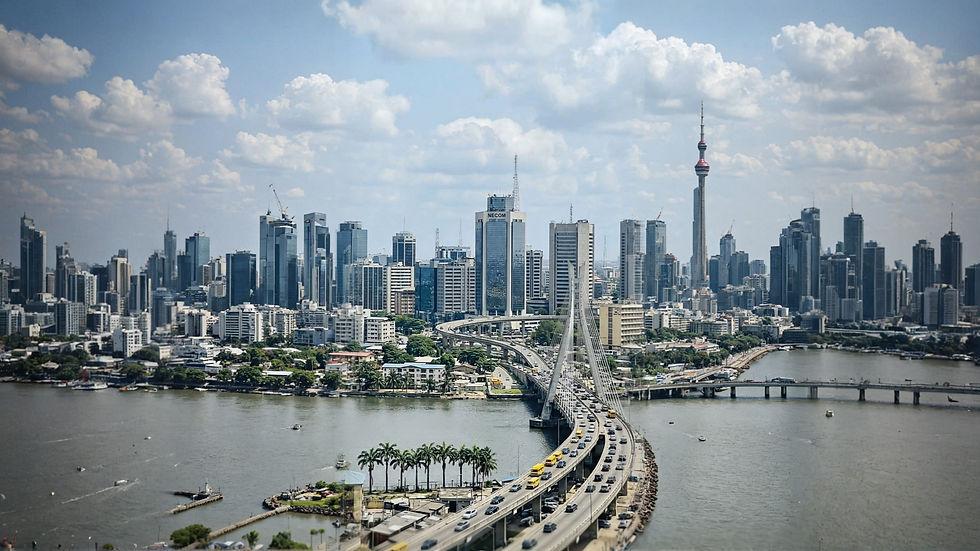
West Africa is one of the continent's most commercially significant regions, with large consumer markets, agricultural resources, expanding digital services, and growing entrepreneurial ecosystems.
For this analysis, we distinguish ECOWAS from the wider West African geographic region. Burkina Faso, Mali, and Niger formally left ECOWAS in January 2025 and are discussed separately under the Alliance of Sahel States.
The GSMA reports that geographic West Africa processed approximately $498 billion in mobile-money transactions during 2025.
GSMA
This makes financial infrastructure an important area for investment research.
Nigeria — Fintech, energy, software, and consumer infrastructure
Nigeria combines a large domestic market with an active technology ecosystem.
Investment opportunities worth examining include digital payments, merchant financial services, payment processing, electricity infrastructure, logistics, agricultural processing, and enterprise software.
Companies such as Flutterwave, Paystack, and Moniepoint demonstrate the significance of payment infrastructure within Nigeria's financial technology industry.
However, investors should be cautious about currency exposure, regulatory changes, high financing costs, and customer acquisition expenses.
For 2027, one promising approach would be to support businesses providing essential infrastructure to merchants rather than investing indiscriminately in consumer fintech applications.
Ghana — Digital commerce and SME financial services
Ghana offers opportunities in mobile-money services, digital merchant payments, agribusiness, logistics, and renewable energy.
The country's digital financial ecosystem creates demand for business software that helps merchants track collections, manage inventory, reconcile payments, and understand their financial performance.
Investors should examine companies with recurring business customers and transparent revenue models.
Currency volatility and financing conditions remain important risks.
Côte d'Ivoire — Regional commerce and industrial processing
Côte d'Ivoire is an important commercial centre within the West African Economic and Monetary Union, commonly known as WAEMU or UEMOA.
Potential opportunities include cocoa processing, food manufacturing, regional logistics, digital payments, industrial property, and solar energy.
Abidjan's role as a commercial and financial hub makes it relevant for businesses seeking access to several francophone West African markets.
Investors should pay particular attention to the difference between exporting agricultural commodities and developing higher-value processing businesses.
Senegal — Technology services, infrastructure, and logistics
Senegal offers potential in enterprise software, port-related logistics, renewable energy, digital public services, and financial technology.
Its commercial connections with francophone West Africa could make it useful for companies expanding across multiple markets.
However, infrastructure projects and businesses dependent on government spending require careful evaluation of fiscal conditions and payment risks.
Benin, Togo, Guinea, Liberia, Sierra Leone, and The Gambia
These markets present opportunities of different sizes and maturity levels.
For Benin and Togo, logistics, port services, regional commerce, and merchant payments deserve attention.
Guinea offers mining-related infrastructure opportunities, alongside substantial commodity and governance risks.
Liberia, Sierra Leone, and The Gambia may provide opportunities in agricultural value chains, basic digital services, energy access, and trade logistics.
For smaller markets, investors should prioritize businesses with clear demand, manageable operating costs, and the ability to serve regional customers.
Legit Cameroon outlook for ECOWAS: The strongest practical opportunities are likely to be in payment infrastructure, energy services, agricultural processing, logistics, and business software. These are sector assessments, not predictions that every listed country will ouzstperform in 2027.
Part IV — CEMAC: Central Africa's overlooked investment potential
The Central African Economic and Monetary Community, CEMAC, consists of six countries: Cameroon, Gabon, Chad, the Republic of the Congo, Equatorial Guinea, and the Central African Republic.
These countries share the Central African CFA franc, XAF, and operate within a common monetary framework.
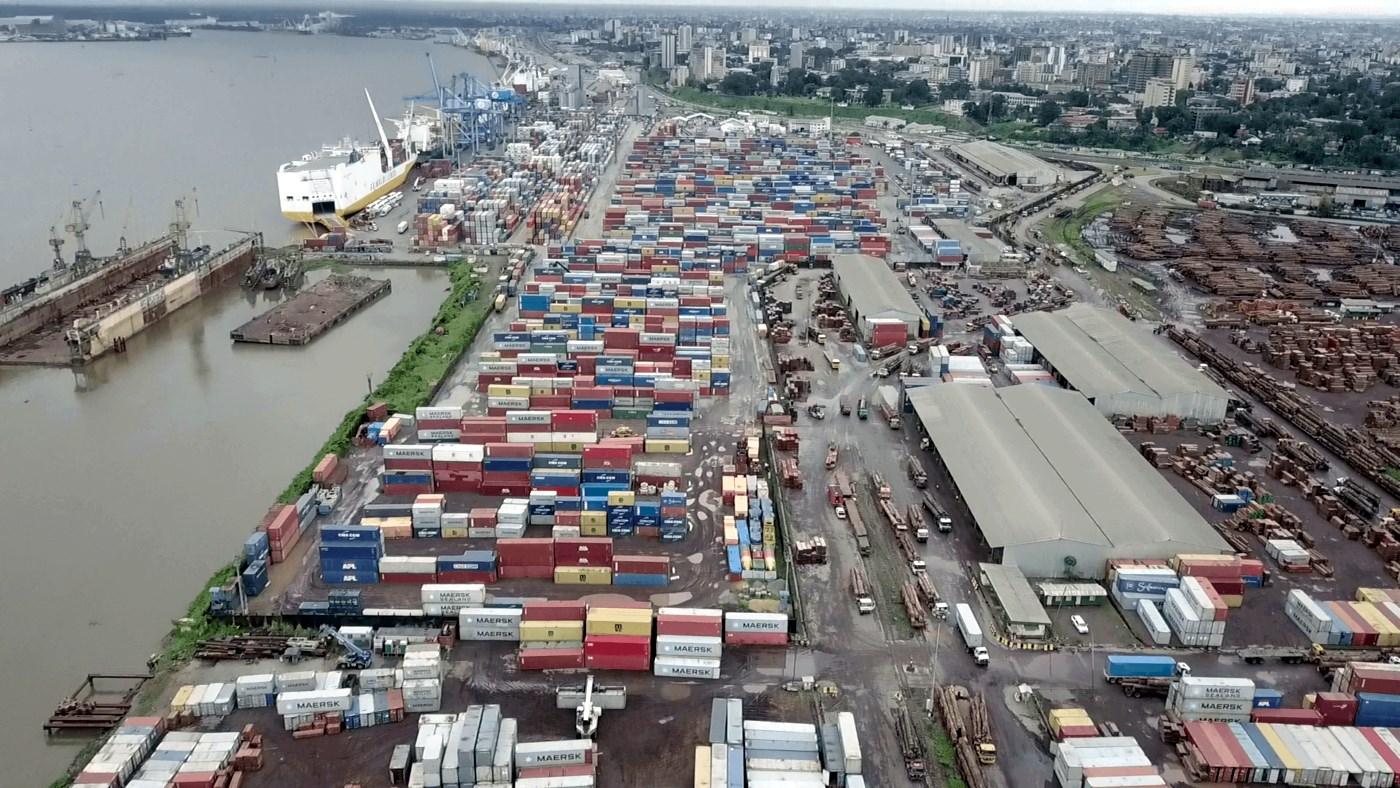
The region has considerable natural resources, but its economies also face structural challenges involving infrastructure, employment, public finances, and economic diversification.
According to the World Bank's Summer 2026 CEMAC Economic Barometer, regional economic growth slowed to approximately 2.6% in 2025. The Bank projects average growth of approximately 3.2% during 2026–2028, while warning that the region remains vulnerable to geopolitical developments, commodity prices, and fiscal pressures.
Summer 2026
For investors, this suggests a need to focus on businesses that improve productivity and reduce operating costs.
Cameroon — Fintech, agriculture, logistics, and enterprise technology
Cameroon could offer particularly interesting opportunities in five areas.
Financial technology: Mobile-money interoperability, merchant payment collections, digital accounting, fraud prevention, and payment reconciliation.
Agricultural processing: Cocoa, coffee, cassava, maize, and other agricultural value chains where local processing can increase commercial value.
Logistics: Shipment tracking, import management, warehouse systems, and transportation coordination, particularly around Douala and other commercial corridors.
Energy: Solar systems, backup power, battery storage, installation, and maintenance.
Enterprise software: Affordable cloud-based management tools for schools, clinics, microfinance institutions, logistics companies, and small businesses.
A particularly promising model involves developing software that connects existing financial services rather than attempting to replace banks and mobile-money operators.
Gabon — Digital modernization and economic diversification
Gabon presents potential opportunities in forestry-related processing, logistics, digital services, electricity infrastructure, and industrial support.
Investors should examine projects that diversify economic activity beyond dependence on petroleum revenues.
However, public-finance pressures, regulatory conditions, and project execution risks require close attention.
Republic of the Congo — Infrastructure and industrial services
The Republic of the Congo offers opportunities in transportation, energy services, industrial maintenance, agriculture, and logistics.
Oil remains economically important, but investors should also consider businesses that support non-oil economic activity.
Long-term infrastructure projects may be attractive where contracts, financing, and payment arrangements are sufficiently reliable.
Chad — Solar power and agricultural infrastructure
Chad's energy-access needs create potential demand for solar installations, decentralized electricity, agricultural equipment, and transportation infrastructure.
Investors could also examine digital financial services for businesses operating in underserved areas.
However, security conditions, logistics costs, and access to financing create substantial execution risks.
Central African Republic — Essential infrastructure and basic services
Investment opportunities may exist in electricity access, telecommunications, agriculture, basic logistics, and essential service delivery.
These opportunities carry exceptionally high operational, political, security, and institutional risks.
The existence of unmet demand should not be mistaken for evidence of an investable or profitable market.
Equatorial Guinea — Diversification and industrial infrastructure
Equatorial Guinea faces the challenge of reducing its dependence on hydrocarbon production.
Potential areas include agriculture, logistics, digital administration, and infrastructure supporting economic diversification.
Investors should carefully assess market size, procurement conditions, governance, and the commercial feasibility of individual projects.
Central Africa's financial opportunity
Mobile-money value, 2025 $105B, Geographic Central Africa
Annual growth 21% Transaction value
GSMA 2026. Geographic Central Africa and the six-member CEMAC bloc are not identical statistical groupings.
The volume of mobile-money activity supports a wider argument: Central Africa has a substantial digital transaction economy, but the investment opportunity extends beyond consumer transfers.
Businesses increasingly need tools for payment tracking, accounting, reconciliation, financial reporting, and transaction security.
The next generation of fintech companies could compete by helping existing financial institutions and merchants operate more efficiently.
Legit Cameroon outlook for CEMAC: Cameroon is a practical starting point for locally operated fintech, logistics, and software ventures, while other CEMAC countries offer more specialized opportunities. Expansion should be based on verified market demand and local operating conditions, not simply membership in a common currency area.
Part V — The Alliance of Sahel States: Burkina Faso, Mali, and Niger
The Alliance of Sahel States, comprising Burkina Faso, Mali, and Niger, deserves separate treatment from ECOWAS.
These countries face serious security, infrastructure, financing, and trade challenges.
At the same time, they have potential opportunities in agriculture, decentralized solar power, mining-related services, telecommunications, and essential logistics.

For investors, decentralized energy may be particularly relevant because reliable electricity can improve productivity for households, farms, and businesses.
Agricultural storage and processing could also help address food-supply challenges.
However, the region's investment environment carries substantial risks involving security, sanctions exposure, cross-border trade arrangements, political uncertainty, and financing access.
Mining opportunities require additional scrutiny of ownership, environmental obligations, permits, and security.
Legit Cameroon assessment: Essential services may offer more defensible demand than speculative consumer ventures, but investors should demand significantly stronger risk controls before committing capital.
Part VI — East Africa: Mobile money, regional trade, and technology services
East Africa remains a significant region for digital financial services and technology entrepreneurship.
GSMA data shows that geographic East Africa processed approximately $806 billion in mobile-money transactions in 2025, making it the largest African region by mobile-money transaction value in that report.
Kenya — Payments, agricultural technology, and enterprise software
Kenya has an established mobile-money ecosystem and a strong base of technology companies.
Potential opportunities include merchant financial services, agricultural technology, cybersecurity, logistics software, and renewable energy.
Its existing payment infrastructure can make it attractive for companies developing applications around financial transactions.
However, new fintech businesses must compete with established payment platforms and demonstrate a meaningful advantage.
Uganda — Agriculture, payments, and distributed energy
Uganda offers opportunities in agricultural processing, mobile payments, solar power, and logistics.
Businesses connecting farmers to markets, financing equipment, or improving agricultural storage may address persistent commercial needs.
Investors should consider currency exposure, financing costs, and infrastructure limitations.
Tanzania — Logistics, energy, and business digitization
Tanzania's investment themes include transportation, tourism-related services, agriculture, renewable energy, and digital payments.
Businesses supporting supply chains and merchant operations could benefit from broader economic digitization.
Rwanda — Digital services and specialized business infrastructure
Rwanda may offer opportunities in enterprise software, digital administration, professional services, healthcare technology, and regional business support.
However, investors should evaluate domestic market size and the ability of individual companies to serve customers beyond Rwanda.
Ethiopia — Manufacturing, agriculture, and digital financial services
Ethiopia offers a large potential market for agricultural processing, manufacturing, logistics, telecommunications, and financial services.
The opportunities are accompanied by currency, regulatory, political, and operational risks.
For technology companies, market entry should be guided by sector-specific permissions and a careful assessment of local partnerships.
Legit Cameroon outlook for East Africa: The strongest themes are payment infrastructure, enterprise technology, agricultural productivity, and energy services. Investors should favor companies that demonstrate recurring demand and sustainable unit economics.
Part VII — Southern Africa: Energy, mining, and industrial technology
Southern Africa offers a different investment profile, combining relatively developed financial markets in some countries with significant mining, energy, industrial, and infrastructure opportunities.
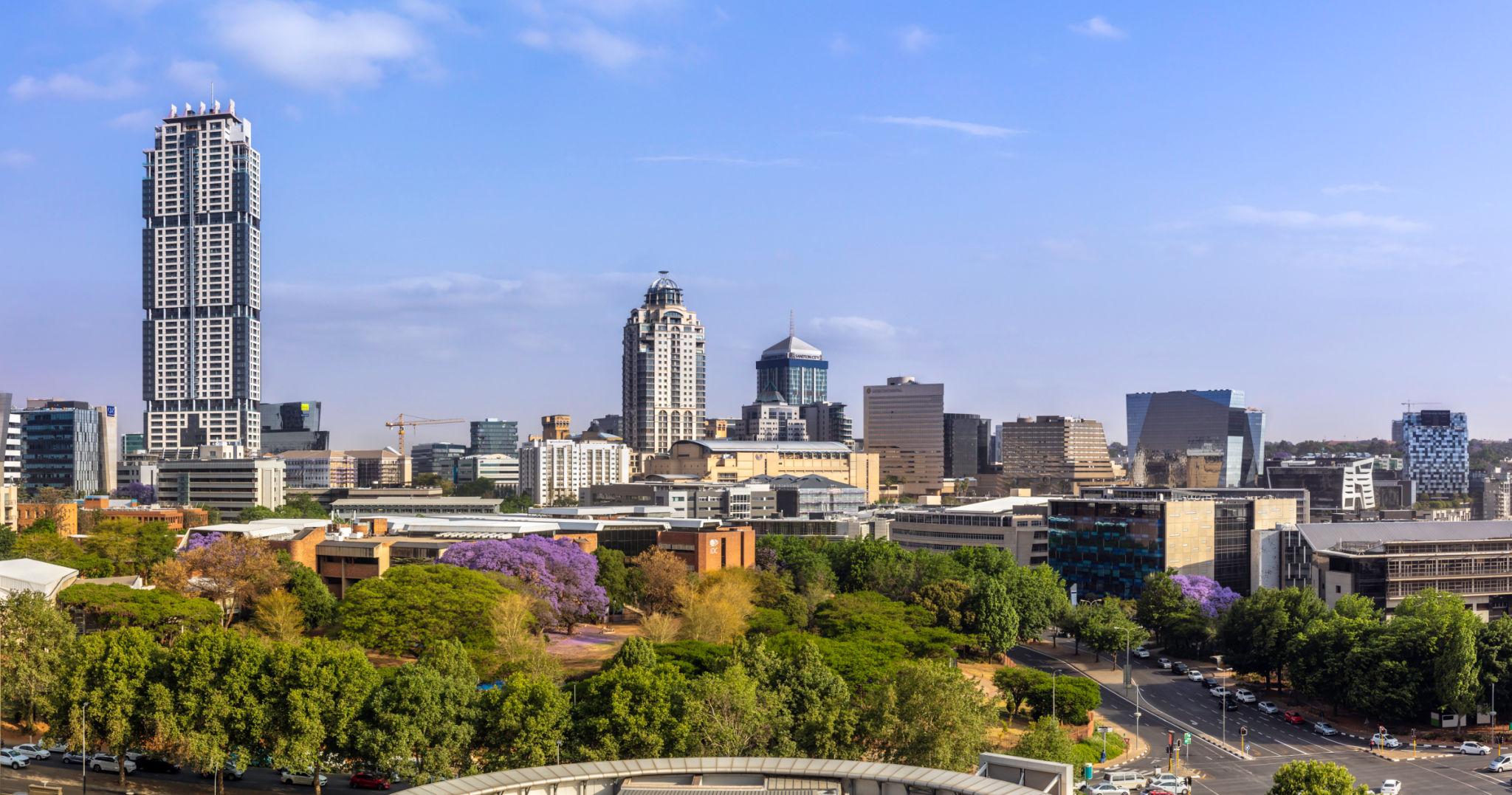
South Africa — Renewable energy and financial infrastructure
South Africa provides exposure to financial services, mining, telecommunications, technology, and electricity infrastructure.
Potential investment themes include battery storage, solar power, grid modernization, cybersecurity, financial software, and industrial automation.
The country's deeper capital markets may provide more publicly traded investment choices than are available in many smaller African economies.
However, investors must assess electricity infrastructure, economic growth, currency volatility, and corporate valuations.
Zambia — Copper and electricity infrastructure
Zambia's copper industry connects it to global demand for electrical equipment, power infrastructure, and industrial development.
But commodity prices can fluctuate significantly.
Investors may consider mining support services, transportation, equipment maintenance, and energy infrastructure rather than relying solely on speculative commodity exposure.
Botswana — Diversification and renewable energy
Botswana offers potential opportunities in solar energy, tourism infrastructure, digital services, and economic diversification.
Diamond-market conditions remain an important factor in the broader economy.
Namibia — Energy and logistics
Namibia has attracted interest in renewable energy, hydrogen-related projects, logistics, and resource development.
These opportunities should be assessed individually, particularly because large infrastructure projects may require substantial capital and long development periods.
Legit Cameroon outlook for Southern Africa: Energy infrastructure, industrial services, and selective mining exposure deserve attention, but capital-intensive projects require disciplined valuation and financing.
Part VIII — North Africa: Manufacturing, renewable energy, and trade with Europe
North Africa occupies an important economic position between sub-Saharan Africa, Europe, and the Middle East.
Its investment opportunities differ from those of West and Central Africa because of its manufacturing industries, international trade connections, energy resources, and proximity to European markets.

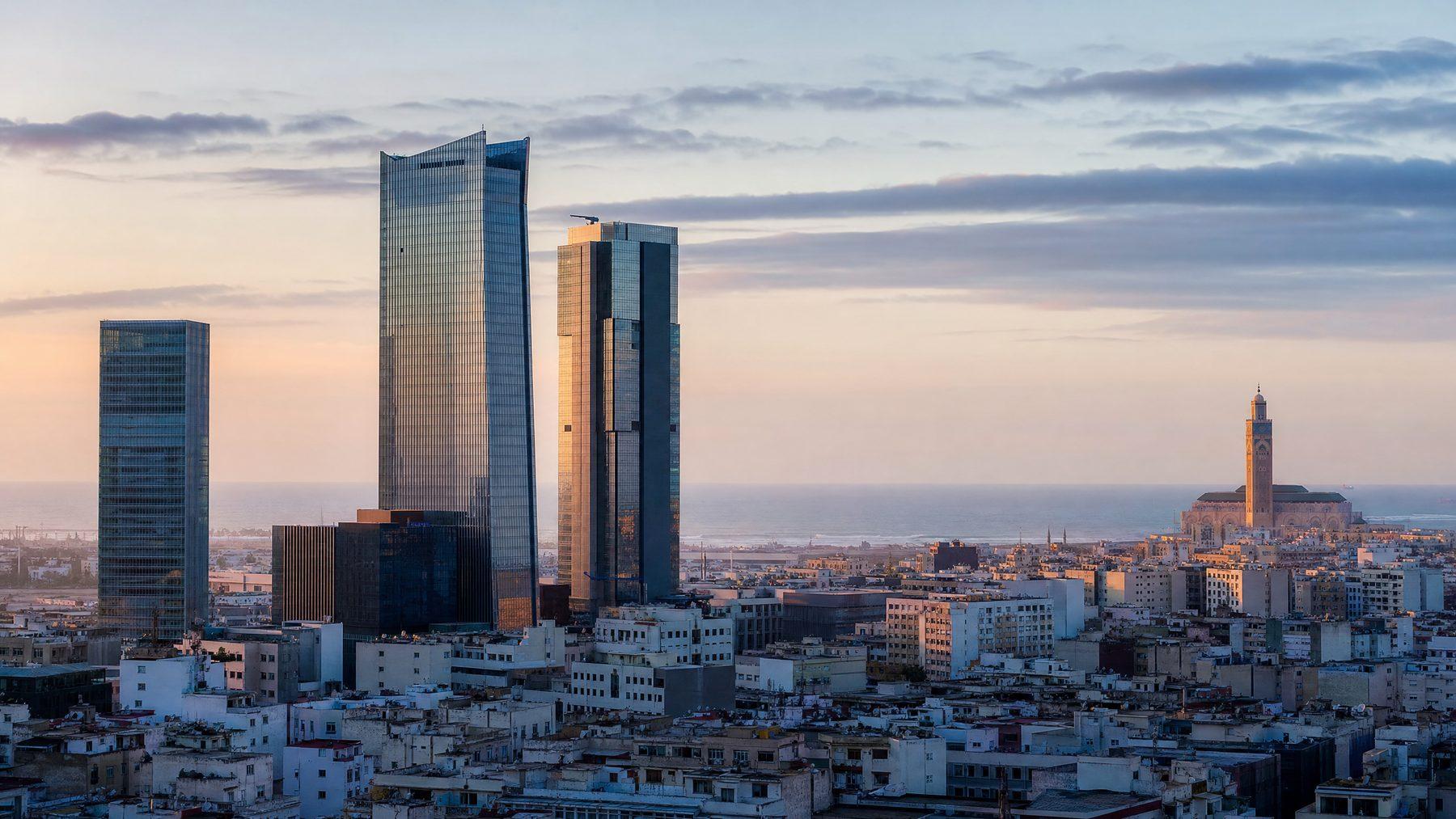
Morocco — Manufacturing, renewable energy, and automotive supply chains
Morocco is an interesting market for investors studying industrial production and international supply chains.
Potential sectors include automotive components, renewable energy, industrial logistics, manufacturing technology, and business-process outsourcing.
Morocco's industrial relationships with European markets could create opportunities for suppliers that meet international quality standards.
However, investors must consider export demand, currency conditions, competition, and manufacturing costs.
Egypt — Financial services, logistics, and industrial infrastructure
Egypt offers opportunities in payment services, logistics, renewable energy, food processing, and industrial technology.
Its large population creates significant domestic demand, while the Suez Canal gives the country strategic importance in global trade.
Currency risk, inflation, financing costs, and geopolitical exposure remain major considerations.
Algeria — Energy, agriculture, and industrial diversification
Algeria's energy sector remains central to its economy.
Investment opportunities may exist in industrial services, agricultural modernization, energy equipment, and selected manufacturing activities.
Investors should evaluate regulatory requirements, market access, and foreign-investment restrictions.
Tunisia — Technology services and export-oriented industries
Tunisia presents opportunities in software engineering, business outsourcing, electronics manufacturing, and renewable energy.
Its proximity to Europe may benefit export-oriented service providers.
However, fiscal pressures and the broader investment climate require careful assessment.
Libya — High potential, exceptionally high risk
Libya has energy and infrastructure reconstruction needs, but political fragmentation and security conditions make many investments unsuitable for ordinary retail investors.
Potential returns must be weighed against substantial risks involving contracts, ownership, operations, and capital recovery.
Legit Cameroon outlook for North Africa: Morocco and Egypt deserve attention for industrial and infrastructure investment research, while Tunisia offers specialized technology opportunities. Algeria and Libya require particularly careful market-access and risk assessments.
Part IX — Islamic finance and Muslim-majority markets: An important investment category for 2027
One investment trend that deserves greater attention is the expansion of Islamic finance.
Islamic finance is not simply banking for Muslim customers. It is a financial system structured around principles that include restrictions on interest-based transactions, excessive uncertainty, and investment in certain prohibited activities.
It includes Islamic banking, sukuk, takaful insurance, investment funds, and asset-backed financing arrangements.
The International Islamic Financial Market reported in September 2026 that outstanding global sukuk exceeded $1 trillion, based on its methodology and 2025 market data.
This makes Islamic finance a substantial part of the global financial system.
1. Saudi Arabia — Islamic finance and economic diversification
Saudi Arabia is a major market for Islamic banking, sukuk, infrastructure financing, tourism development, and economic diversification.
Potential investment opportunities include Shariah-compliant investment funds, sukuk, financial technology, renewable energy, logistics, and industrial services.
However, investors should not assume that every large government-backed project will produce attractive commercial returns.
Project financing, execution costs, oil-price sensitivity, and regional security remain important considerations.
2. United Arab Emirates — Financial technology and international capital
The UAE is an important centre for financial services, international business, logistics, and technology investment.
Dubai and Abu Dhabi provide exposure to financial technology, digital infrastructure, real estate, Islamic finance, and international trade.
Potential opportunities include Shariah-compliant wealth-management platforms, sukuk investment products, enterprise financial software, and financial compliance services.
Investors should remain cautious about speculative property purchases, excessive leverage, and projects whose valuations depend on continued rapid capital inflows.
3. Bahrain, Qatar, Kuwait, and Oman
These Gulf countries offer different combinations of banking, energy, logistics, infrastructure, and Islamic finance opportunities.
Bahrain is particularly relevant to financial services and Islamic financial infrastructure.
Qatar and Kuwait provide exposure to energy-linked economies and financial markets, while Oman presents opportunities in logistics, industrial services, and diversification.
The Gulf Cooperation Council accounted for approximately 53.8% of global Islamic finance assets in the regional breakdown reported by the Islamic Financial Services Board for 2025.
4. Indonesia and Malaysia — Islamic finance beyond the Middle East
Indonesia and Malaysia are especially important because Islamic finance extends well beyond Arab economies.
Malaysia has developed an established Islamic capital-market ecosystem, including sukuk and Shariah-compliant investment products.
Indonesia offers a large domestic market for Islamic financial services, digital commerce, consumer products, and infrastructure.
For investors interested in Shariah-compliant diversification, these markets deserve consideration alongside the Gulf countries.
5. Islamic finance opportunities in Africa
Islamic finance also has potential in Senegal, Nigeria, Côte d'Ivoire, Egypt, Sudan, and other African markets, although the regulatory and institutional environments differ considerably.
Possible opportunities include:
- Sukuk for infrastructure financing.
- Shariah-compliant SME financing.
- Takaful insurance.
- Agricultural asset financing.
- Digital Islamic banking and payment services.
- Ethical investment funds.
For African entrepreneurs, Islamic finance could create opportunities to develop financial software, compliance systems, and payment infrastructure for appropriately licensed institutions.
However, Islamic finance should not be confused with a guarantee of safety. Sukuk can still involve credit risk, market risk, currency risk, and liquidity risk.
Legit Cameroon outlook: Islamic finance is worth monitoring in 2027 as both an investment category and a financial-technology opportunity. Investors should examine the underlying assets, contractual structures, regulatory protections, and Shariah governance of individual products.
Part X — The top investment trends for 2027, ranked by Legit Cameroon
The following ranking reflects our editorial assessment of long-term demand, market relevance, and business potential. It is not a forecast of which listed shares or assets will deliver the highest returns.
Rank Investment trend Global outlook African opportunity
AI infrastructure and automation Strong Enterprise AI software and implementation
Renewable energy and storage Strong Solar installations and backup power
Digital payments and fintech infrastructure Strong Merchant payments, reconciliation, cross-border services
Cybersecurity and digital identity Strong Financial fraud prevention and managed security
Agriculture and food processing Strong Local processing, storage, and distribution
Logistics and supply-chain technology Strong Import management, tracking, and trade software
Healthcare technology Selective Diagnostics, pharmacy systems, medical logistics
Semiconductors and electrical equipment Selective Equipment supply and infrastructure services
Islamic finance and sukuk Selective Shariah-compliant financing and financial technology
Gold and defensive fixed-income assets Diversification Capital preservation and portfolio diversification
The key distinction is between an attractive sector and an attractive investment.
An industry can grow rapidly while its investors lose money because of excessive valuations, poor management, high debt, or weak profitability.
Similarly, a relatively ordinary business can become an excellent investment when it generates dependable cash flow and is acquired at a reasonable price.
Part XI — Investments to approach cautiously or avoid in 2027
1. Speculative cryptocurrencies and guaranteed-return schemes
Cryptocurrencies remain highly volatile. Projects promising guaranteed daily profits, risk-free arbitrage, or unusually high returns should be treated as major warning signs.
Legitimate digital assets also require careful consideration of custody, regulation, liquidity, and price volatility.
2. AI startups without sustainable business models
Not every company using artificial intelligence will become profitable.
Investors should question businesses without paying customers, defensible technology, reliable revenue, or realistic operating costs.
3. Highly leveraged real estate speculation
Property can be a valuable long-term asset, but borrowing heavily to purchase speculative developments creates significant risks.
Investors should examine rental demand, financing costs, title documentation, and the ability to sell when necessary.
4. Highly leveraged forex and derivatives trading
Short-term leveraged trading can generate rapid losses.
For inexperienced investors, it is generally unsuitable as a primary wealth-building strategy.
5. Concentrated exposure to politically sensitive commodities
Oil, gas, and minerals remain economically important, but commodity prices can change rapidly because of geopolitical events, supply disruptions, and global demand.
Investors should avoid treating a temporary price increase as proof of long-term profitability.
The IMF's October 2026 outlook identifies persistent conflicts, cyber threats, extreme weather, and financial-market repricing as important downside risks to the global economy.
International Monetary Fund
These risks support a cautious approach to leverage, concentrated portfolios, and businesses dependent on a single supplier or market.
Part XII — How African investors can position themselves for 2027
For investors in Cameroon and other African markets, opportunities can be divided into three broad categories.
A. Financial investments
These include listed shares, diversified investment funds, bonds, sukuk, and other regulated financial instruments.
The appropriate choices depend on investment horizon, risk tolerance, liquidity needs, currency exposure, taxes, and access to licensed intermediaries.
Investors should also verify whether the product is legally available in their jurisdiction.
B. Direct business investments
These involve establishing or financing businesses that provide goods and services.
Examples include solar installation companies, agricultural processing facilities, logistics services, payment software, and cybersecurity businesses.
Such investments can offer greater operational control, but they may also require substantial time, expertise, and working capital.
C. Investment in skills and productive capacity
For younger investors and entrepreneurs with limited capital, developing commercially valuable skills may provide a better initial return than speculative financial trading.
AI engineering, software development, electrical installation, cybersecurity, accounting technology, and industrial maintenance are examples of skills that can support income-generating businesses.
This does not mean every training program is worthwhile. Investors in education should assess course quality, practical outcomes, market demand, and cost.
A practical framework for evaluating an opportunity
Before investing, ask five questions:
1. Demand: Does the product or service solve a real problem for customers willing to pay?
2. Profitability: Can the business generate positive cash flow after all major costs?
3. Regulation: Is the activity legal, properly licensed, and compliant with applicable requirements?
4. Resilience: Can the business survive inflation, supplier disruptions, currency movements, and slower growth?
5. Valuation: Is the investment price reasonable relative to its risks and potential earnings?
These questions are especially important in emerging markets, where a promising business concept may still face substantial execution challenges.
Part XIII — Five predictions Legit Cameroon will be watching in 2027
Prediction 1: AI investment will shift toward measurable business results.
Investors will increasingly distinguish companies producing commercial value from those attracting attention primarily through AI branding.
Prediction 2: Reliable electricity will become an even more valuable competitive advantage.
Energy availability could increasingly influence where manufacturers, technology companies, and service providers expand.
Prediction 3: African fintech will move beyond standalone wallets.
Payment interoperability, merchant infrastructure, financial compliance, and reconciliation may become more important areas of competition.
Prediction 4: Local production and supply-chain efficiency will attract more attention.
African businesses that reduce import dependence or improve the movement of essential goods could gain strategic importance.
Prediction 5: Regulation and trust will become stronger competitive advantages.
In finance and technology, companies with sound compliance, security, and operational controls may be better positioned than businesses focused exclusively on rapid expansion.
These are editorial forecasts based on observed trends, not events that have already occurred or outcomes that can be guaranteed.
Conclusion: The greatest investment opportunity of 2027 may be solving existing problems
The world is entering 2027 with both opportunity and uncertainty.
Artificial intelligence is accelerating technological change. Electricity demand is increasing. Digital financial services are becoming more important. Meanwhile, geopolitical conflict and economic volatility are forcing investors to reconsider how they allocate capital.
For advanced economies, major investment opportunities may centre on AI infrastructure, semiconductors, cybersecurity, and energy systems.
For Africa, the picture is broader.
The continent needs more reliable electricity, efficient payment networks, agricultural processing, industrial capacity, logistics infrastructure, healthcare services, and affordable business technology.
These needs represent potential commercial opportunities, but they also require patient capital, competent management, regulatory compliance, and careful execution.
For Cameroon and the wider CEMAC region, financial technology deserves particular attention. The opportunity is not necessarily to build another mobile-money wallet, but to create systems that connect existing financial services, reduce transaction friction, improve transparency, and help businesses operate more efficiently.
The same principle applies to agriculture, energy, healthcare, and logistics.
The most successful investors of 2027 may not be those who predict the next crisis or follow the loudest technological trend. They may be those who identify persistent problems, invest at sensible prices, and support businesses capable of solving them profitably.
For African entrepreneurs, this creates an important opportunity: Rather than waiting for the next global technology company to emerge, they can build businesses that address the continent's own economic challenges.
And for investors, the central lesson remains clear:
Invest in real demand, sustainable businesses, reliable infrastructure, and long-term productive value—not simply in predictions.
— Legit Cameroon | Business, Technology & Investment
Research references and further reading
This article draws on the following institutional publications. The country-level investment opportunities and 2027 predictions are Legit Cameroon's editorial analysis, rather than investment recommendations issued by those institutions.
1. International Monetary Fund — World Economic Outlook. October 2026 economic projections and global risks.
2. GSMA — State of the Industry Report on Mobile Money 2026. Regional mobile-money adoption and transaction statistics.
3. International Energy Agency — Electricity Mid-Year Update 2026. Electricity demand and renewable-energy forecasts.
4. World Bank — CEMAC Economic Barometer, Summer 2026. Central African economic performance and structural challenges.
5. International Islamic Financial Market — Sukuk Report 2026. Global sukuk-market development.
6. OECD — Africa Capital Markets Report 2026. African financial-market development and digital-finance trends.
Editorial disclaimer: Published as an educational investment outlook as of November 20, 2026. This article does not constitute personalized financial advice, an offer of securities, or a guarantee of future returns. Readers should conduct independent due diligence and consult appropriately licensed professionals before making investment decisions.